 Tr
Tr 

Yüksek Sıcaklık ve Kimyasal Direnç için En İyi Triger Kayışı Malzemesi Nedir?
Metalurji, kimyasal işleme, gıda üretimi ve otomotiv üretimindeki endüstriyel iletim sistemleri büyük ölçüde ark dişli endüstriyel triger kayışlarına dayanmaktadır. Bu zorlu uygulamalarda, yüksek sıcaklığa maruz kalma, asit ve alkali buharları, yağlayıcı kirliliği ve solvent saldırısı, erken bant arızasının başlıca nedenleridir. Doğru malzemenin seçilmesi ve uygun bir koruma stratejisinin uygulanması, iletim güvenilirliğinin sağlanmasına ve hizmet ömrünün maksimuma çıkarılmasına yönelik temel adımlardır.
1. Temel Malzeme Karşılaştırması Ark Dişli Triger Kayışları
Kayış gövdesi bileşiği, çevresel strese karşı temel direncini belirler. Şu anda endüstriyel triger kayışlarında kullanılan başlıca malzeme kategorileri aşağıdaki gibidir.
Kloropren Kauçuk (CR)
Kloropren kauçuğu, standart endüstriyel triger kayışlarında en yaygın olarak kullanılan temel bileşik olmaya devam etmektedir. -30°C ila 100°C arası tipik çalışma sıcaklığı aralığıyla yeterli yağ direnci ve orta düzeyde kimyasal uyumluluk sunar. Bununla birlikte CR, güçlü asitlere, güçlü alkalilere veya keton bazlı solventlere uzun süre maruz kaldığında belirgin şişme ve sertleşme sergiler, bu da onu agresif kimyasal ortamlarda sürekli çalışmaya uygun hale getirmez.
Poliüretan (PU)
Poliüretan triger kayışları, uzun servis süreleri boyunca diş profili doğruluğunu koruyarak üstün aşınma direnci ve boyutsal stabilite sağlar. Bu özellikler PU'yu hassas iletim uygulamaları için tercih edilen seçenek haline getirmektedir. PU için pratik üst sıcaklık sınırı yaklaşık 80°C'dir. Bu eşiğin ötesinde malzeme giderek yumuşar ve hem aktarım doğruluğunu hem de yük kapasitesini azaltır. PU ayrıca ester ve keton bazlı kimyasallara karşı sınırlı direnç gösterir ve ilgili kimyasal işleme ortamlarında kullanılmadan önce dikkatli bir değerlendirme gerektirir.
Hidrojenlenmiş Nitril Bütadien Kauçuk (HNBR)
HNBR, zorlu iletim uygulamalarında önemli bir yüksek performanslı malzeme haline geldi. Yağ direnci standart NBR'ninkini önemli ölçüde aşar ve sürekli çalışma sıcaklığı 150°C'ye ulaşabilir. HNBR ayrıca alifatik hidrokarbon yakıtlara ve yağlama yağlarına karşı mükemmel direnç sağlar. Otomotiv motor bölmeleri ve kompresör tahrik sistemleri gibi hem yüksek sıcaklığın hem de yağ buharının aynı anda mevcut olduğu ortamlar için, HNBR ark dişli triger kayışları çok daha güvenilir bir çözümü temsil eder.
Floroelastomer (FKM)
FKM, elastomerik kayış malzemeleri arasında mevcut en yüksek kimyasal direnç kademeleri arasında yer almaktadır. Konsantre sülfürik asit, klorlu solventler ve aromatik hidrokarbonlarla uzun süreli temasa dayanıklıdır ve 200°C'yi aşan sıcaklıklarda sürekli olarak çalışabilir. Üretim maliyetleri geleneksel bileşiklere göre önemli ölçüde daha yüksektir ve bu nedenle FKM triger kayışları, aşırı çalışma koşullarının yatırımı haklı çıkardığı yarı iletken imalatında, hassas kimyasal işlemlerde ve havacılık yer destek ekipmanlarında yoğunlaşmıştır.
2. Gergi Elemanı Seçim Mantığı
Ark dişli endüstriyel triger kayışının yük taşıyan göbeği, onun iç gerilim elemanıdır. Kordon malzemesi, çekme mukavemetini, termal boyutsal stabiliteyi ve kimyasal dayanıklılığı doğrudan belirler.
Fiberglas Kordon
Fiberglas, genel amaçlı endüstriyel triger kayışlarındaki standart gergi elemanıdır. Tipik endüstriyel sıcaklık aralıklarında güvenilir performans göstererek yüksek elastik modül ve düşük sürünme hızı sağlar. Fiberglas, kuvvetli alkali ortamlarda hidrolitik bozunmaya karşı hassastır ve bu da çekme mukavemetini giderek azaltır. Uzun süreli alkaliye maruz kalma gerektiren uygulamalarda alternatif kablo malzemeleri dikkate alınmalıdır.
Aramid Elyaf Kordon
Aramid, hafif yapıyı yüksek çekme mukavemeti ve yaklaşık 180°C'ye kadar termal dirençle birleştirir. Kimyasal stabilitesi fiberglasınkini aşıyor ve bu da onu yüksek dinamik tepki gerektiren yüksek sıcaklık iletim sistemleri için çok uygun kılıyor. Aramid, ultraviyole radyasyona karşı hassastır ve dış mekan kurulumlarında kullanıldığında uygun koruma gerektirir.
Çelik Tel Kordon
Çelik kord, standart gergi elemanı seçenekleri arasında en yüksek gerilme mukavemetini ve en düşük termal uzama katsayısını sağlar. Ağırlığı önemli düzeydedir ve korunmasız çelik kord, sıvı kimyasal ortamlarda korozyona karşı hassastır. Çelik kord, kayış tahrikinin koruyucu bir mahfaza içine alındığı ağır yük, yüksek sıcaklık uygulamaları için en iyi seçimdir.
3. Diş Yüzü ve Arka Yüzey İşlem Seçenekleri
Diş profiline ve kayış sırtına uygulanan yüzey işlemi, seçilen kütle bileşiğinden bağımsız olarak kimyasal direnç performansında anlamlı bir rol oynar.
PTFE Kaplama
Politetrafloroetilen kaplama, çoğu organik çözücüye, asitlere ve alkalilere karşı etkili bir kimyasal bariyer oluştururken diş yüzeyi sürtünmesini önemli ölçüde azaltır. Bu işlem genellikle gıda sınıfı taşıma sistemlerinde ve kontaminasyon kontrolünün kritik olduğu yarı iletken temiz oda ortamlarında belirtilir.
Naylon Diş Kumaşı (PA66)
Naylon kaplama kumaş, poliüretan triger kayışlarında standart yüzey işlemidir. Diş yüzeyi aşınmasını azaltır ve zayıf asit ve zayıf alkali temasından bir dereceye kadar izolasyon sağlar. Bu konfigürasyon, kimyasal dozaj ekipmanlarında, dolum makinelerinde ve benzer proses endüstrisi uygulamalarında tutarlı performans gösterir.
Silikon Kauçuk Kaplama
Silikon kauçuk toksik değildir, gıda ve ilaçla temas düzenlemeleriyle uyumludur ve -60°C ile 230°C arasında geniş bir çalışma sıcaklığı aralığı sunar. Malzeme saflığının ve mevzuat uyumluluğunun zorunlu gereklilikler olduğu endüstrilerdeki yüksek sıcaklık uygulamaları için uygun yüzey işleme seçeneğidir.
4. Sistem Düzeyinde Koruma Mühendisliği
Malzeme seçimi bandın kendisine yöneliktir ancak çevreleyen sistem tasarımı, malzemenin hizmet sırasında nominal kapasitesinde performans gösterip göstermediğini belirler.
Kasnak malzemesi çalışma ortamına uygun olmalıdır. Paslanmaz çelik (304 veya 316L sınıfı) ve sert anodize edilmiş alüminyum alaşımlı kasnaklar, korozif uygulamalar için standart seçimlerdir; kayış bileşiğinin metalik oksit kirlenmesini önler ve yüzey bozulmasını hızlandıran galvanik etkileşimleri önler.
Yalıtılmış muhafazalar, aşındırıcı gazlar veya sıvılar ile kayış tahriki arasında doğrudan teması önler. Asitle temizleme hatlarında, elektrokaplama ekipmanlarında ve benzeri yüksek korozyona dayanıklı kurulumlarda, inert gaz temizlemeyle birleştirilmiş tamamen kapalı bir şanzıman muhafazası, bant servis aralıklarını önemli ölçüde uzatmak için yerleşik bir yöntemdir.
Aşırı sıcaklık kapatma mantığıyla entegre edilmiş sürücü boşluğu içindeki sürekli sıcaklık izleme, yetersiz ısı dağılımının neden olduğu termal yaşlanmaya karşı koruma sağlar. Bu özellikle termal yönetimin alan sınırlamaları nedeniyle kısıtlandığı kompakt sürücü muhafazaları için geçerlidir.
5. Seçim Kararı Vermede Kritik Parametreler
Güvenilir bir malzeme seçimi sonucu, herhangi bir nihai spesifikasyon yapılmadan önce aşağıdaki parametrelerin sistematik olarak değerlendirilmesini gerektirir.
- Maksimum sürekli çalışma sıcaklığı ve en yüksek geçici sıcaklık
- Bantla temas eden kimyasal ortamın kimliği ve konsantrasyonu
- İletim gücü değeri ve kayış hızı
- Tanımlanan çalışma döngüsü kapsamında gerekli servis ömrü
- Gıda sınıfı uyumluluğu veya ATEX patlamaya karşı koruma gibi geçerli sertifikalar
Bu parametrelerin doğrulanmış malzeme performansı verileriyle eşleştirilmesi, bant seçiminde en yaygın iki mühendislik hatasını ortadan kaldırır: Gereksiz tedarik maliyetine neden olan aşırı spesifikasyon ve doğrudan planlanmamış arıza süresine ve buna bağlı ekipman hasarına yol açan yetersiz spesifikasyon.
Zorlu ortamlarda ark dişli endüstriyel triger kayışları için malzeme seçimi temelde bir sistem mühendisliği kararıdır. Her uygulamayı kapsayan evrensel bir spesifikasyon yoktur. Tesise özel işletim verilerinin üretici seçim belgeleriyle çapraz referanslanması ve çalışma koşullarının olağandışı veya şiddetli olduğu durumlarda küçük seri doğrulama testlerinin yapılması, uzun vadeli iletim güvenilirliğine yönelik kanıtlanmış yaklaşım olmaya devam ediyor.
Sıcak Ürünler
-
 Daha Fazlasını Görüntüle
-
 Daha Fazlasını Görüntüle
Endüstriye Yönelik V Kayışı
-
 Daha Fazlasını Görüntüle
T Tipi Sanayi Kauçuk Senkron Kayışı
-
 Daha Fazlasını Görüntüle
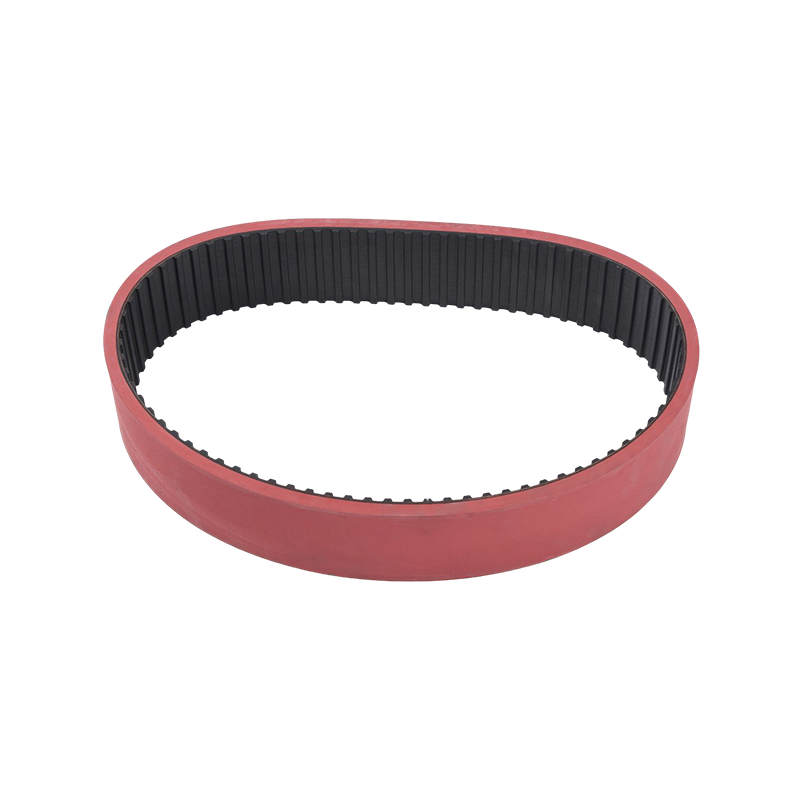
Dişli kama kayışı
-
 Daha Fazlasını Görüntüle
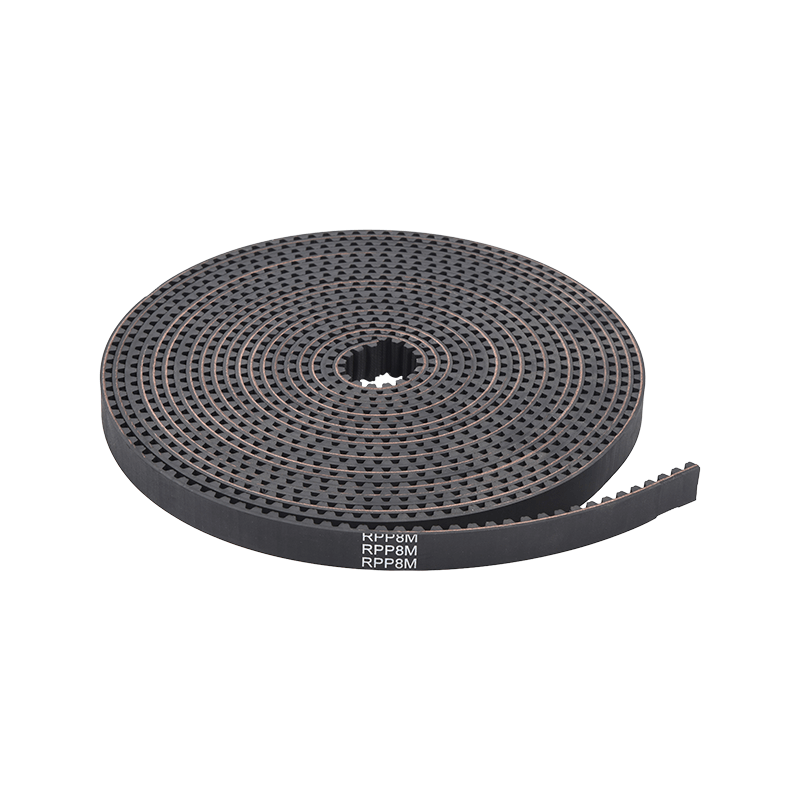
Kalınlaştırılmış triger kayışı
-
 Daha Fazlasını Görüntüle
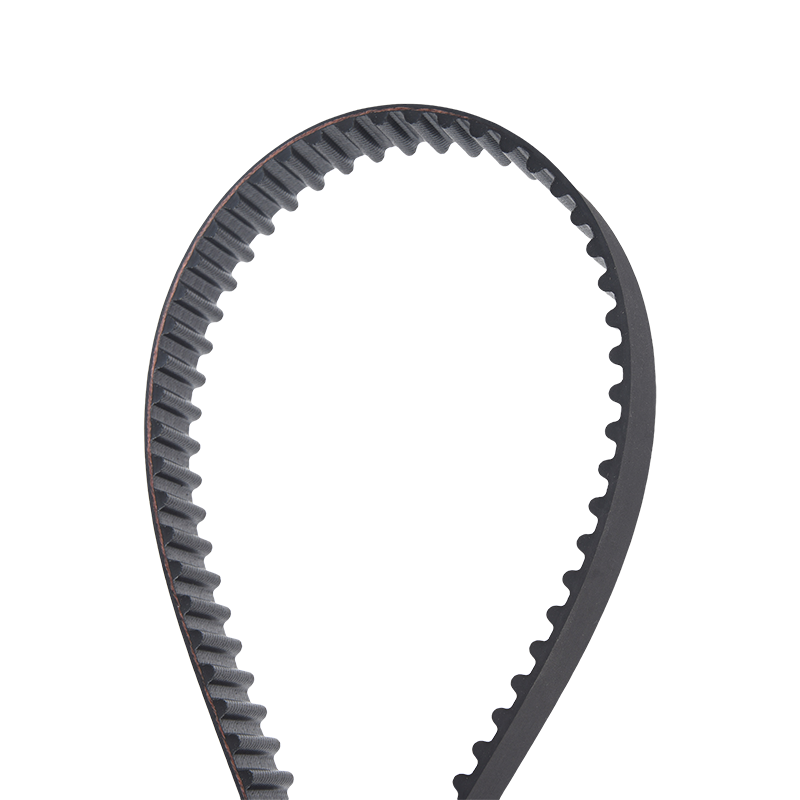
Triger Kayışını Aç
-
 Daha Fazlasını Görüntüle
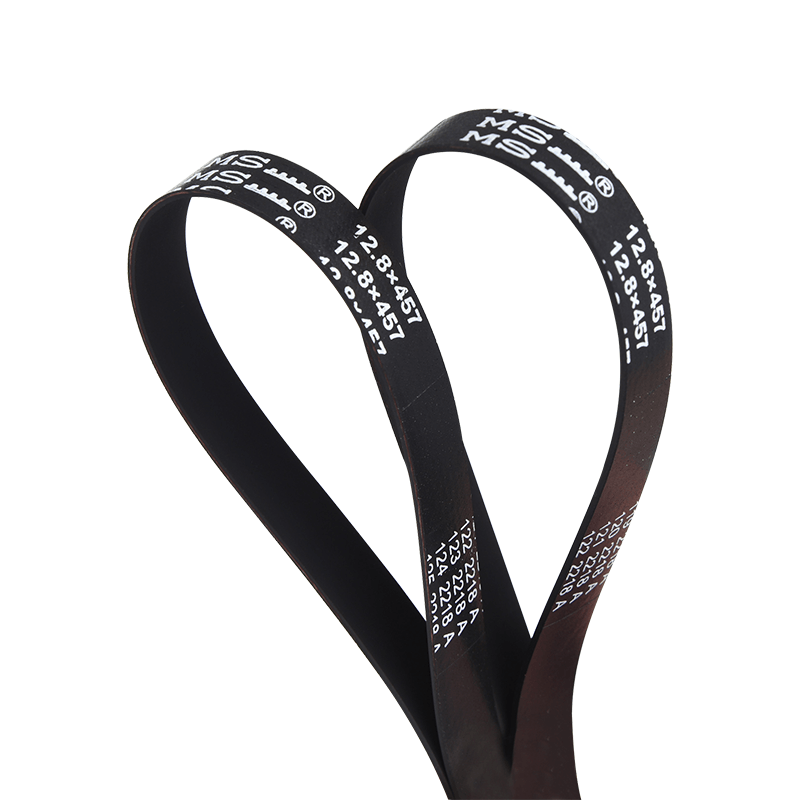
Otomotiv V kayışı
-
 Daha Fazlasını Görüntüle
Kauçuk Düz Kemer
-
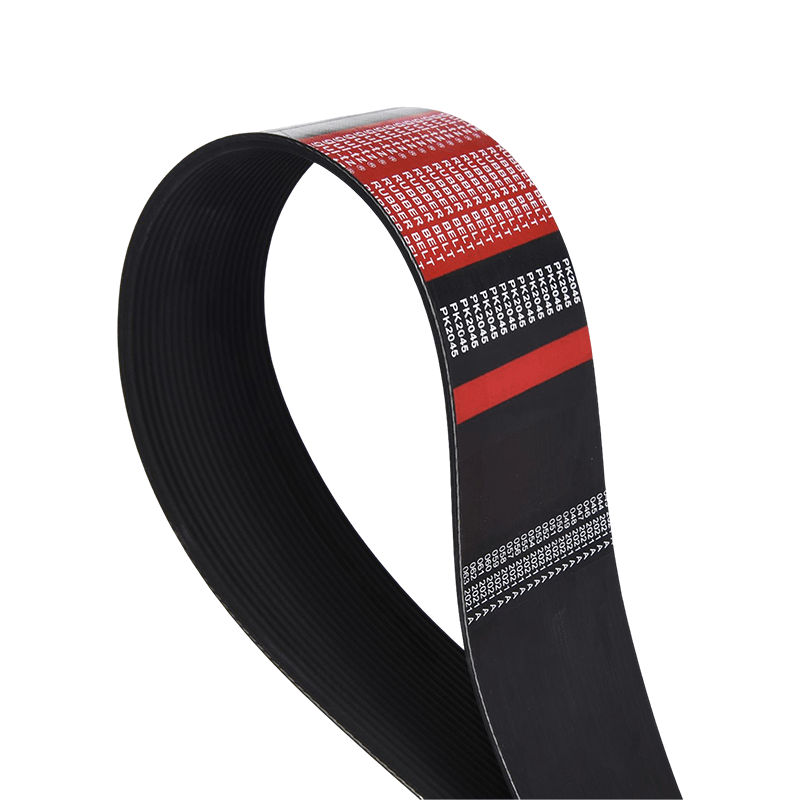 Daha Fazlasını Görüntüle
Nervürlü Kemer
-
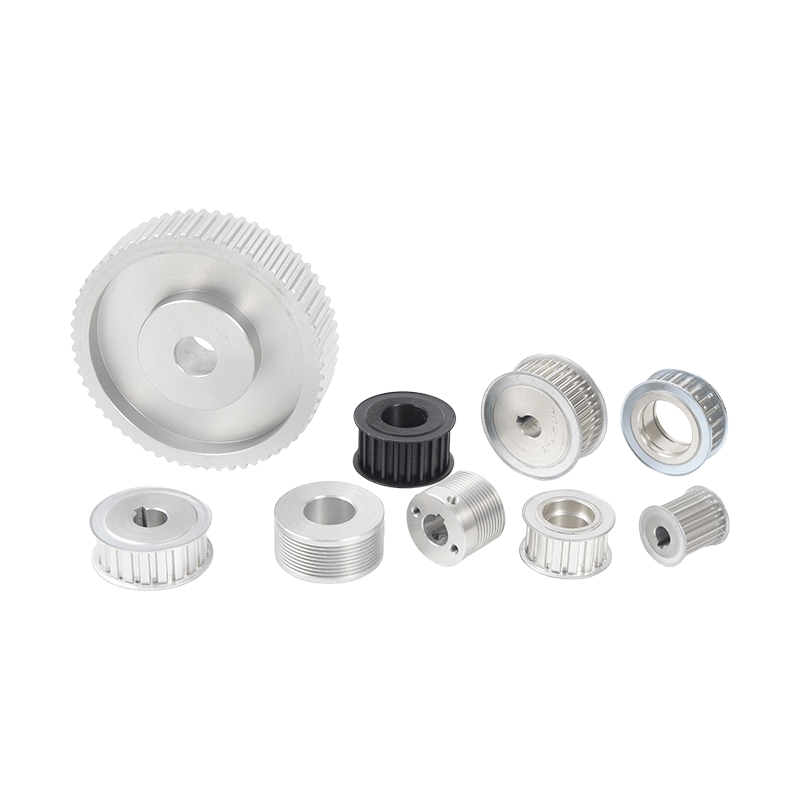 Daha Fazlasını Görüntüle
Senkron Kasnak
-
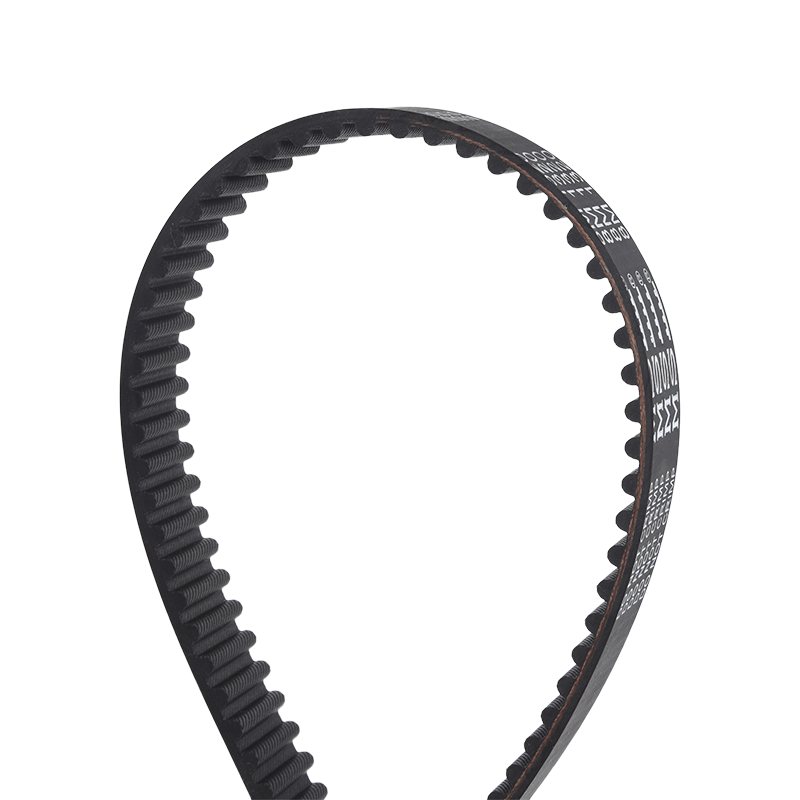 Daha Fazlasını Görüntüle
Ark dişli endüstriyel kauçuk senkron kayış
-
Daha Fazlasını Görüntüle
Otomotiv triger kayışı

Bir sorunuz mu var? İletişim kurmaktan çekinmeyin!
 Tel: +86-0574-62498188 62497298
 Fax: +86-0574-62497297
 E-mail:
  Add: 65, Orta Jinniu Yolu, Moushan Kasabası, Yuyao Şehri, Zhejiang Eyaleti, Çin
Copyright © Ningbo GUL TZ Rubber Belt Co., Ltd. All rights reserved.

